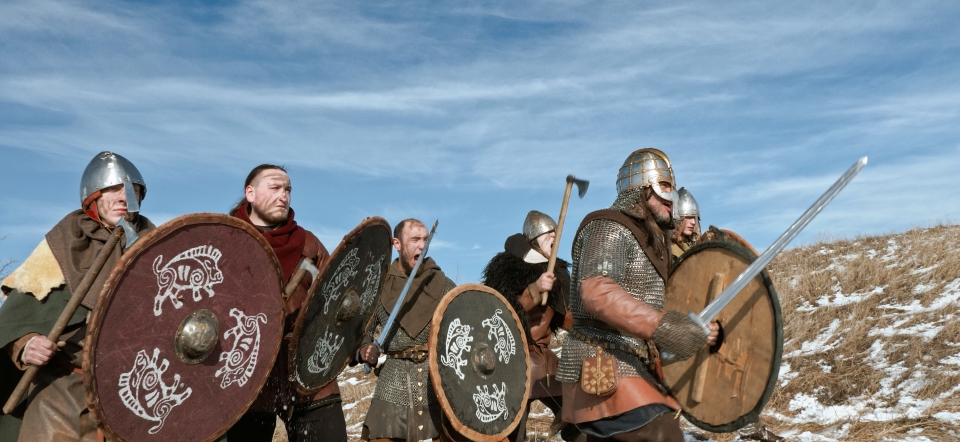
”Ro ro ro!” This chant sounded through Norway during the football world cup in summer 2026 while the national team posed as Viking warriors before the games. Vikings are a recurring symbol in popular culture, and interest in the Viking Age is strong.
This is shown by the Great Viking Survey, which became the biggest survey of its kind with over 10,000 responses from around the world. The aim of the survey was to map people’s relationship with Vikings and the Vikings Age, as well as where they get their information from.
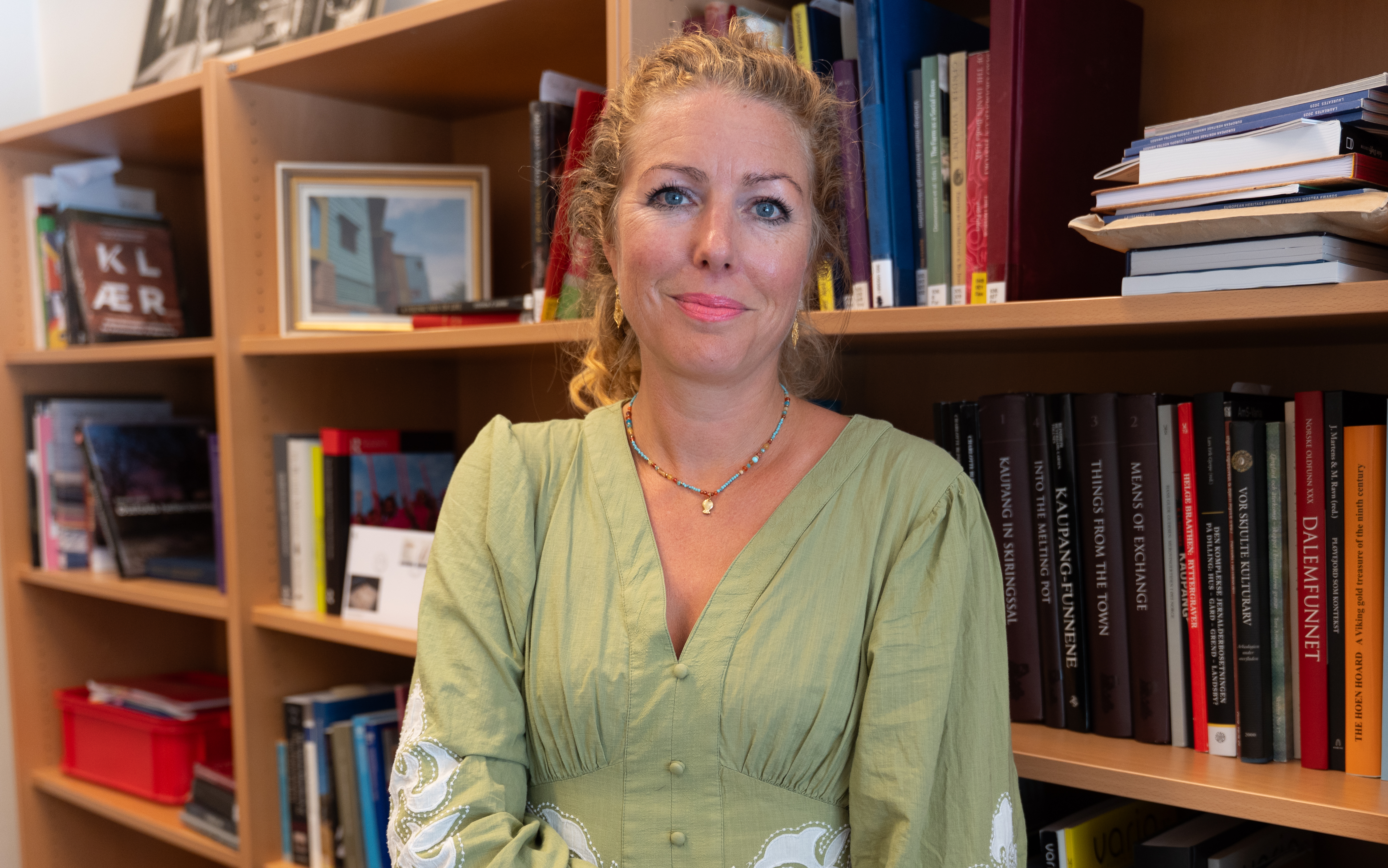
“We received more responses than in any other comparable survey in our field. There was a wide range of responses, but we see that most respondents are well informed and have a good understanding of the academic research on the Viking Age. Many were introduced to the Viking Age through popular culture but keep up to date with recent research by visiting museums and reading news articles. That is very positive, as we often have this idea that those who like the Vikings do not have the best relationship with authorities,” says Marianne Moen, project leader for Making a Warrior: The Social Implications of Viking Age Martial Ideologies, who is behind the survey.
The idea of the free warrior attracts
What makes the Viking and the Viking Age so popular? Moen, who is an archaeologist and section manager for the Department of Archaeology at the Museum of Cultural History, University of Oslo, believes that it has to do with several aspects.
“I believe the Viking Age is so captivating, among other things, because it lies at the intersection of history and archaeology. We have enough written sources to have insight into how the Vikings lived, but at the same time it is so far back in time that it becomes somewhat mysterious. Furthermore, it is a clearly defined period of 300 years, ending with the beginning of historical times and the Scandinavian nations. So, it is a period that is easy to refer to and create historical narratives based on, similar to the Roman Empire,” she says.
In Norway, the popularity also has to do with the Viking Age being a part of people’s collective identity, according to Moen.
“During the period when Norway became independent the Viking ships were used to build a collective identity and history of origins. The Vikings became a fundamental part of the story about the nation Norway, about who we are and where we come from.”
Moen also believes that the Vikings sell because they are tied to action and excitement, and we have enough knowledge about the period that it is easy to create popular cultural narratives that make good entertainment.
“Not everyone agrees with me, but I believe there is a certain attraction in the picture we have created of the Viking warrior as free and as someone who behaves in ways that we cannot in today’s society. For us who live in societies with strict frameworks for what is right and wrong, and where violence is carried out by the state rather than by individuals, Viking warriors become exotic and fascinating figures because they set off and did as they pleased, even if this is not historically accurate,” says Moen.
Nuanced depiction of the Viking
The project seeks to add nuance to the depiction of the Viking as more than a warrior.
”It is fantastic to work with a period that engages people from such a broad spectrum. But this means that there are many quite different ideas about the Viking Age out there. We are specifically examining the role of the warrior, as it is the symbol most prone to stereotypes, misuse and links to far-right extremism. It is encouraging to see that our survey responses do not indicate as much of a tendency towards misuse as we have feared,” says Moen.
Who was the real Viking warrior?
”When looking at what a warrior is, one quickly realises that there is no straightforward answer. But most of the Vikings were not elite warriors, and the few who were also were not warriors their whole lives. I don’t believe one wakes up one morning and is a warrior. Most of those we imagine setting out on Viking raids were, at the same time, farmers, traders and engaged in other activities on the side. It was a different economic model to the one we have now. In an agrarian society, people carried out different tasks throughout the year, so I don’t think there was a strong professional identity as a warrior,” Moen replies.
Read our previous interview with Marianne Moen: The viking warrior – more than a warrior
Read more about the project: Making a Warrior: the Social Implications of Viking Age Martial Ideologies - Museum of Cultural History